King of Prussia's Wall Crack Injection Specialists
Seal the crack causing the leak
Request a free crack inspection before a narrow leak reaches finished basement materials.
King of Prussia's Wall Crack Injection Specialists
Request a free crack inspection before a narrow leak reaches finished basement materials.
Wall crack injection can be the right repair when water enters through an isolated crack in a poured concrete basement wall. The contractor places ports along the crack, seals the surface, and injects polyurethane or epoxy so the material fills the void instead of only coating the face of the wall.
Many King of Prussia homes from the postwar suburban building era have poured concrete or block foundations. Injection is most useful for poured concrete cracks that are narrow, traceable, and not showing major structural movement. It is not the right answer for active seepage across block walls, water trapped inside block cores, wide settlement gaps, or pressure at the wall-floor joint.
Material choice matters. Polyurethane is commonly used for active water leaks because it expands with moisture and remains flexible as the crack moves slightly. Epoxy may be used for certain dry structural cracks when bonding strength is needed, but a moving wall or horizontal crack should be evaluated before any resin is sold as the fix.
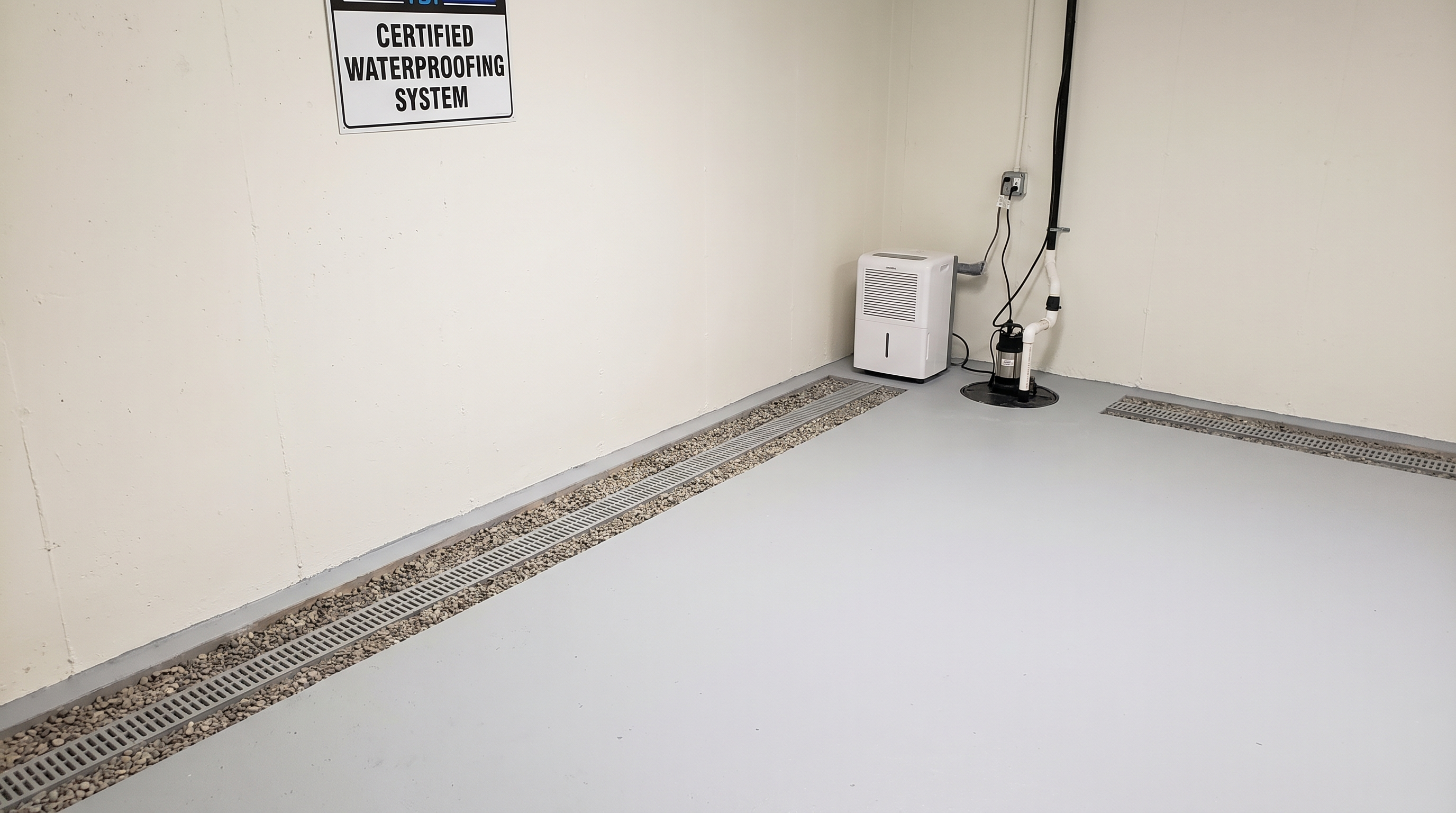
A proper crack injection estimate should identify the crack direction, width, moisture level, wall type, outside grade, and whether the leak is isolated. If the same wall has multiple seepage points or a damp floor edge, the homeowner may need drain tile or exterior work instead of a single crack repair.
Crack injection begins with diagnosis, then uses the right resin and installation method for the wall condition.
The contractor checks whether the crack is vertical, diagonal, horizontal, active, dry, stable, or tied to bowing. Wall type and nearby seepage determine whether injection is appropriate.
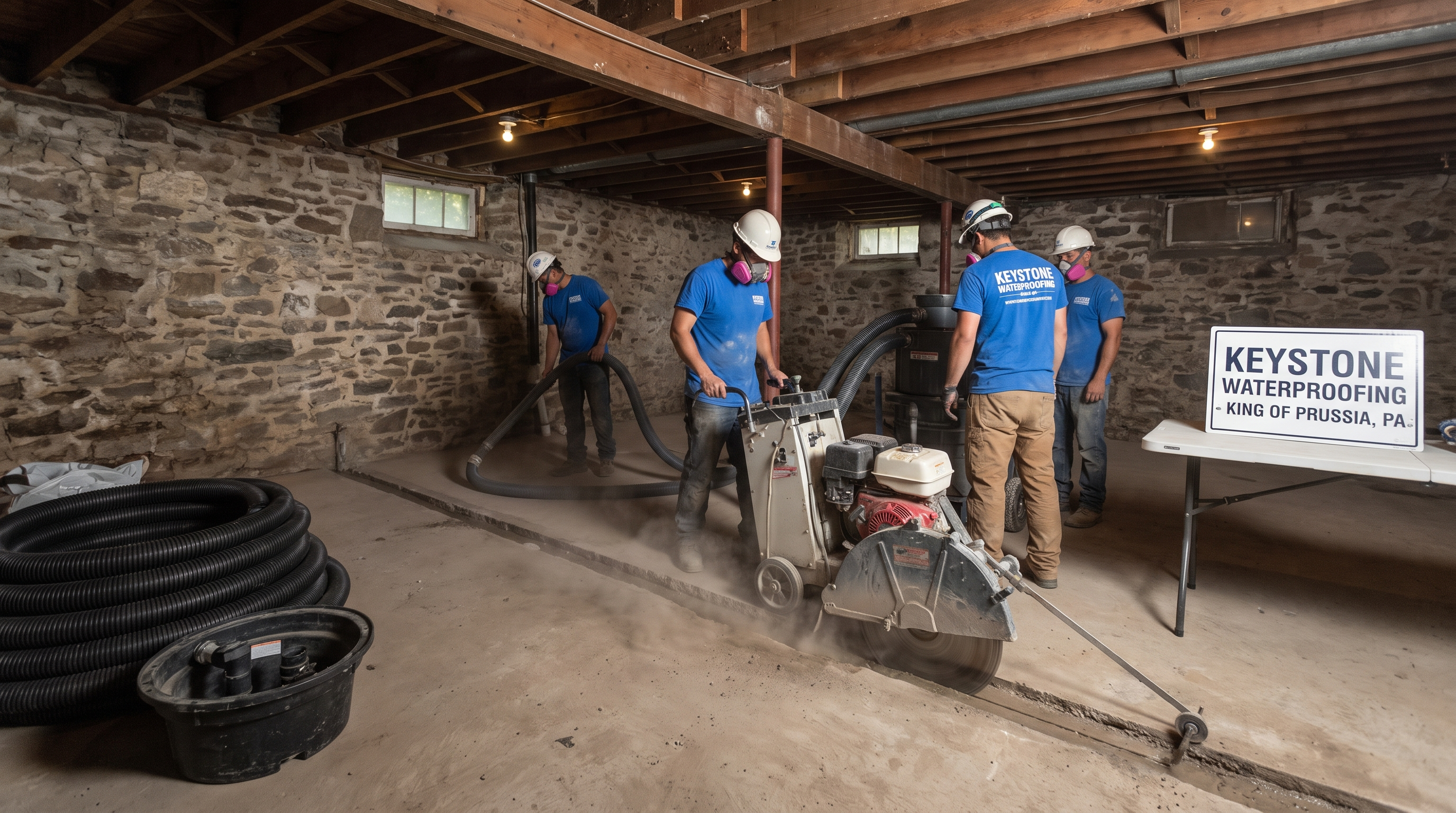
Injection ports are placed along the crack and the wall face is sealed so the resin travels into the crack. Good prep helps the material fill the void instead of leaking back out.
Polyurethane is used for many wet leaks because it expands and stays flexible. Epoxy may be used where a dry, stable crack needs structural bonding.
A wet crack, damp block wall, and floor-edge leak need different repairs. The contractor should confirm that injection fits the condition before quoting it.
Horizontal cracks, bowing block, or cracks that keep widening may need structural review. Sealing the surface without addressing movement can leave the real problem untouched.
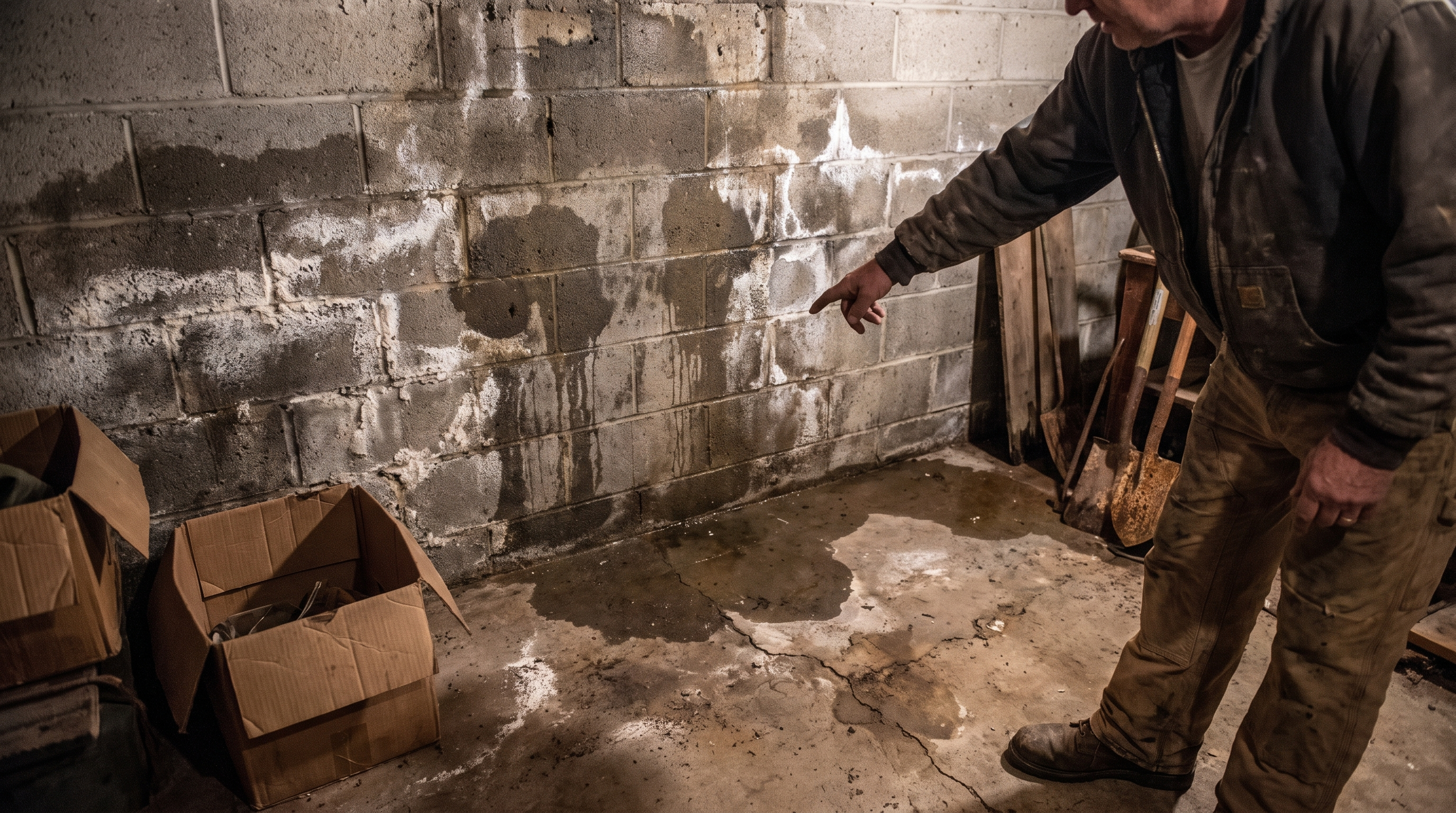
Have the crack reviewed before hiding it behind paint, paneling, or drywall.
Free — no obligations
The contractor checks the crack path, moisture pattern, exterior grade, wall material, and nearby seepage points.
Polyurethane, epoxy, or a different repair path is selected based on whether the crack is wet, dry, stable, or structural.
Ports are installed, the crack surface is sealed, and material is injected from port to port until the crack is filled.
The surface is cleaned, ports are trimmed or removed, and the homeowner is told what signs would point to a broader water problem.